Reasons to Learn Mandarin
The honest case for learning Mandarin: who it pays off for, what it really takes, and the real payoffs.
Why Should My Child Learn Mandarin?
Starting Mandarin before age seven trains a child's ear for tone, with research-backed gains in pitch, early reading, and focus, plus a career payoff later.

Why Mandarin Is so Hard to Learn
Mandarin is hard because characters, four tones, and zero shared English vocabulary hit at once. The FSI rates it Category V: about 2,200 hours, 3x French or Spanish.

Why Did John Cena Learn Mandarin?
Why John Cena learned Mandarin: a near-decade bet to push WWE into China that he now calls "eight years of labor, failing," plus the Taiwan fallout.

Is Learning Mandarin Useful? An Honest Answer for 2026
Is learning Mandarin useful? Yes, if you'll actually use it. The honest case in 2026 with wage data, enrollment numbers, the brain science, and named expert sources.

Is Learning Chinese Worth It for Business? The Honest Math
Learning Mandarin pays off most when your work touches China's trade, sourcing, or tech orbit. The honest ROI, the 2,200-hour cost, and who should skip it.

Is It Worth Learning to Write Chinese?
Writing Chinese by hand is worth it for most learners, but only on the few hundred most common characters early. Here's where the memory payoff lands and where it doesn't.

Is It Worth Learning Mandarin? The Honest Answer
Yes, Mandarin is worth learning for most people who go in clear-eyed: the world's biggest native language and strong job demand, against a steep time cost.

How Many Years Does It Take to Learn Chinese Fluently?
For most English speakers, conversational Mandarin fluency takes 4 to 7 years. The FSI benchmarks professional proficiency at 2,200 hours. Here's what that timeline looks like.

How Long Does It Take to Learn Chinese at 1 Hour a Day?
At 1 hour a day, an English speaker reaches conversational Mandarin (HSK 3) in 20-26 months and everyday fluency in about 3 years. Full FSI proficiency takes roughly 6 years.

How Long Does It Take to Learn Conversational Mandarin?
Conversational Mandarin takes most adults 350 to 700 focused hours, about one to three years. The FSI's 2,200 hours is diplomat-grade, not everyday conversation.

Does Learning Chinese Make You Smarter? The Four Brain Changes Researchers Can Measure
Learning Chinese won't raise your IQ, but brain scans show real gains: sharper attention, bilateral pitch processing, gray matter growth, and later dementia onset.

The Disadvantages of Learning Mandarin, and Which Ones Matter Most
Mandarin's disadvantages, counted before you start: 2,200 FSI hours, 3,500 characters, four tones, and skills that fade without daily practice.
Career Benefits of Learning Mandarin
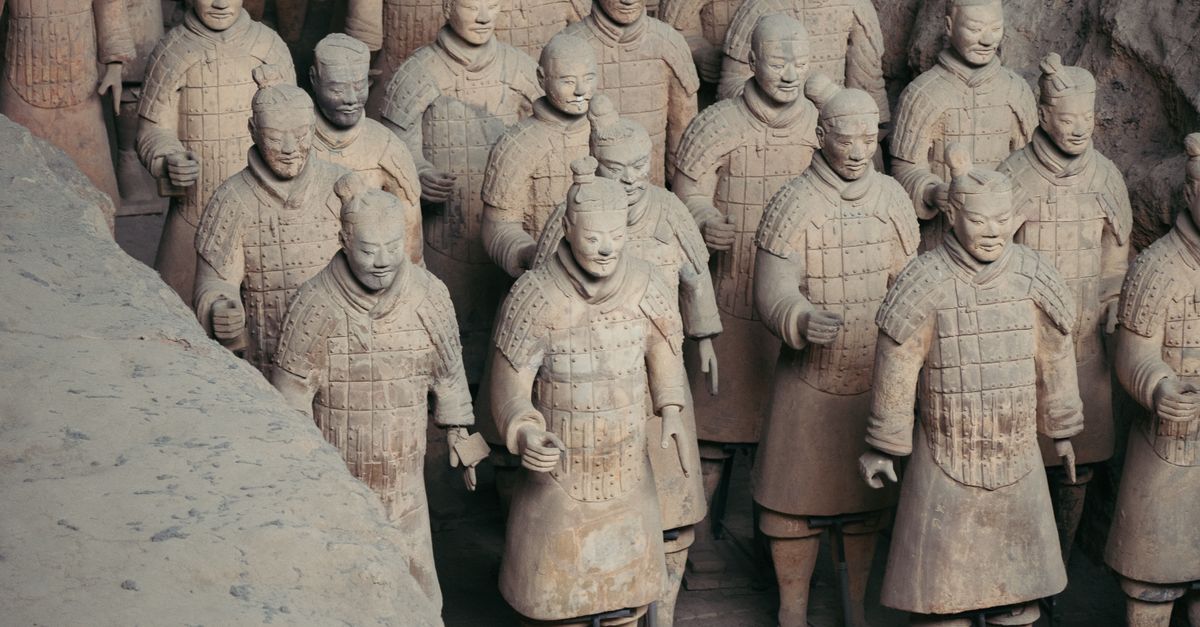
Learning Mandarin puts you in a thin pool of fluent speakers US employers want, lifts pay (bilingual workers average $14,050 more a year), and opens doors at Chinese firms.

The Benefits of Learning Mandarin: What the Brain Scans and Wage Data Show
Learning Mandarin builds a two-hemisphere brain network, carries a 10.5-49.9% wage premium in China, and reaches ~1.14 billion speakers. The data, with sources.

Is Mandarin Hard to Learn? The Honest Answer
Yes, Mandarin is hard for English speakers, but the difficulty is lopsided: tones and characters carry the weight, while the grammar is a relief.

How Long Does It Take to Learn Mandarin?
An English speaker needs about 2,200 hours to reach professional Mandarin, about three times longer than Spanish. Your timeline depends on your target level and weekly hours.

How Hard Is It to Learn Mandarin as an Adult?
Mandarin is the hardest major language for English speakers: about 2,200 hours per the FSI. But the grammar is simple, and the tones, not your age, are the real work.

How Hard Is It to Learn to Read Chinese?
How hard is it to learn to read Chinese? Among the hardest literacy tasks for English speakers: 2,500+ characters, no phonetic shortcuts, and FSI's hardest tier.